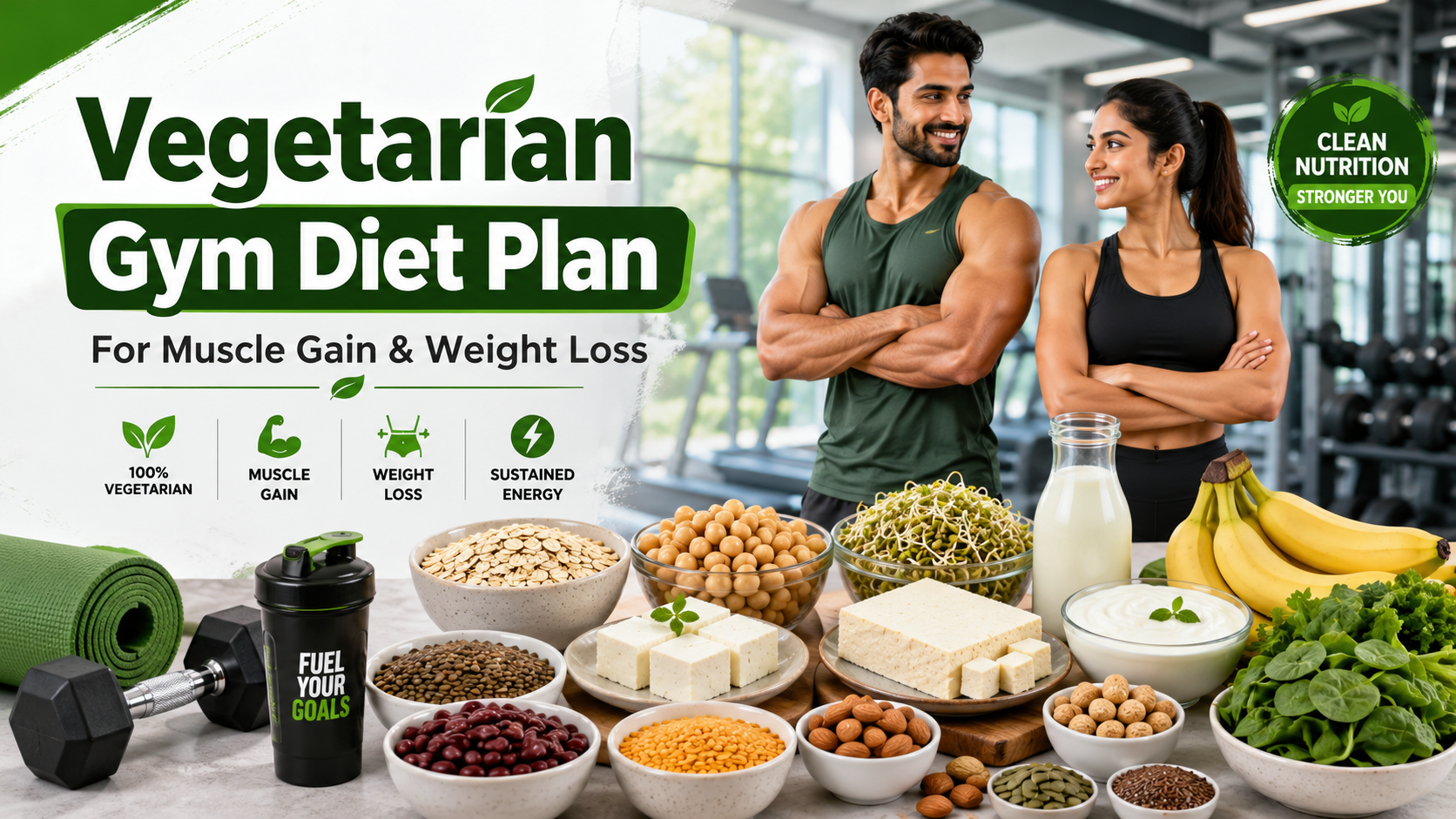
Vegetarian Gym Diet Plan for Muscle Gain and Weight Loss
A well-planned vegetarian gym diet plan can provide enough protein, carbohydrates, healthy fats and micronutrients to support your workouts. Whether you want to build muscle, lose weight or improve fitness, your results depend on eating suitable portions, choosing nutritious foods and matching your meals with your training routine.
You do not need chicken, fish or eggs to make progress. Dairy products, soy foods, pulses, beans, grains, nuts and seeds can form a balanced diet when your calorie and protein requirements are met consistently.
The latest Academy of Nutrition and Dietetics position paper on vegetarian diets states that appropriately planned vegetarian and vegan dietary patterns can be nutritionally adequate for adults.
Important: This article provides general educational information. People with diabetes, kidney disease, food allergies, digestive conditions or other medical concerns should consult a qualified doctor or registered dietitian before making major dietary changes.
What Is a Vegetarian Gym Diet Plan?
A vegetarian gym diet plan is a structured eating pattern designed to provide energy for exercise and nutrients for recovery without meat or fish. It normally includes protein-rich vegetarian foods, carbohydrates, healthy fats, vegetables, fruits and adequate fluids.
A gym-focused diet should support:
-
Energy during exercise
-
Muscle repair after training
-
Healthy weight management
-
Strength and performance
-
Better workout recovery
-
Long-term dietary consistency
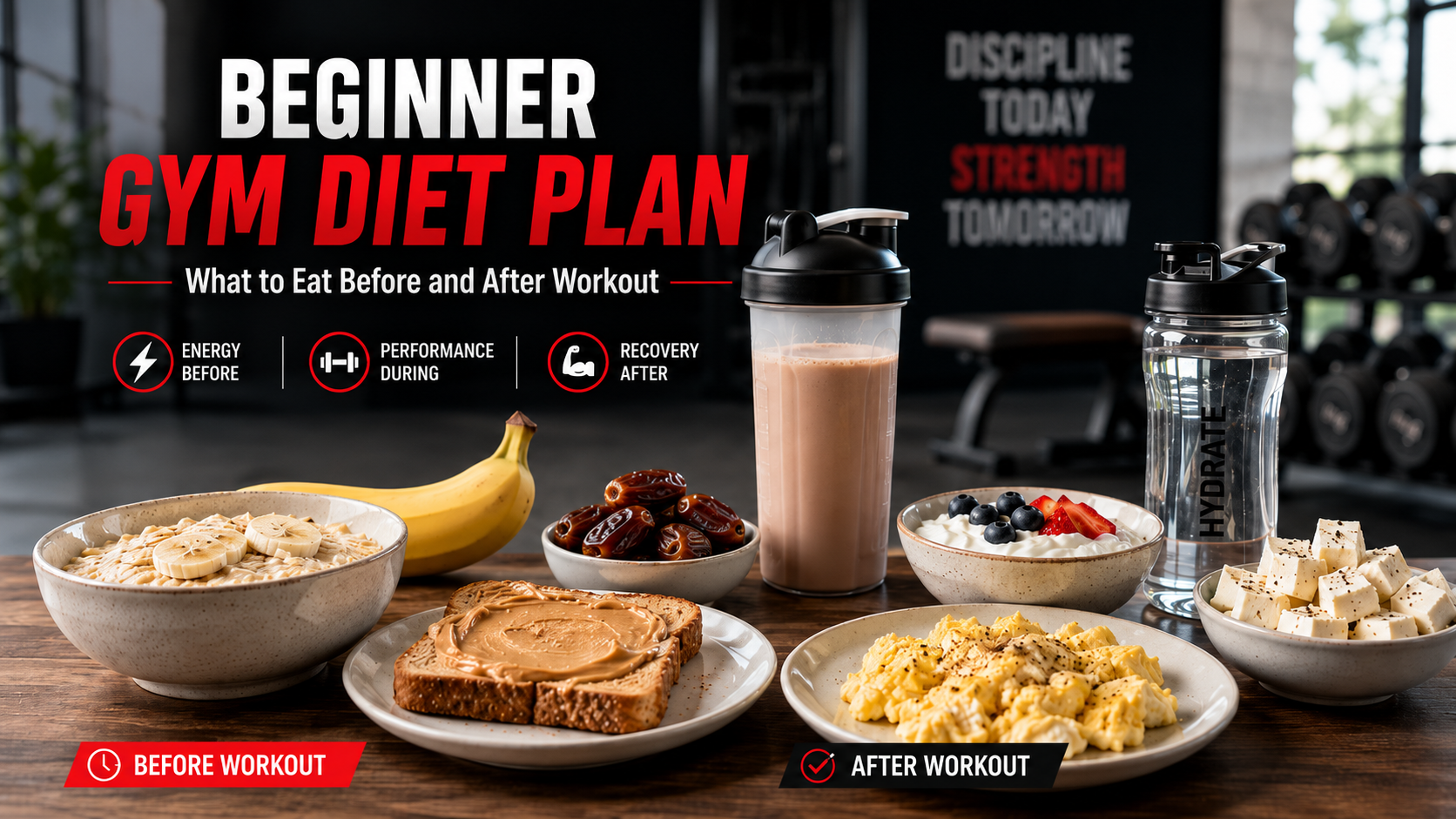
Beginners can also read this detailed beginner gym diet plan to understand pre-workout meals, post-workout foods and common nutrition mistakes.
Can Vegetarians Build Muscle?
Yes, vegetarians can build muscle when they combine resistance training with sufficient calories and protein. Paneer, tofu, soya chunks, milk, curd, lentils, beans and pulses can provide the protein needed for muscle recovery.
Muscle development mainly depends on:
-
Progressive strength training
-
Sufficient daily protein
-
Adequate calorie intake
-
Consistent workouts
-
Proper sleep and recovery
A varied diet is important because no single vegetarian food needs to provide all your daily nutrients.
How a Gym Diet Differs From a Regular Diet
A regular diet may support general health, but a gym diet gives additional attention to training energy, muscle repair and body-composition goals.
A properly structured diet should consider:
-
Total daily calories
-
Daily protein intake
-
Carbohydrates for training
-
Healthy fats
-
Pre-workout nutrition
-
Post-workout nutrition
-
Hydration and recovery
The joint sports-nutrition position statement from the Academy of Nutrition and Dietetics, Dietitians of Canada and the American College of Sports Medicine explains that well-chosen nutrition strategies can improve exercise performance and recovery.
Calories and Protein Requirements for Gym-Goers
Before following a gym diet plan, estimate the calories needed to maintain your current body weight. Your requirements will vary according to your weight, height, age, daily activity and workout intensity.
The National Heart, Lung, and Blood Institute explains that changes in body weight are influenced by the balance between calories consumed and calories used by the body.
Calories for Muscle Gain
A gym diet plan for muscle gain should generally provide slightly more energy than your body uses. This is known as a calorie surplus.
You can begin by increasing your daily food intake gradually and monitoring:
-
Weekly average body weight
-
Workout strength
-
Waist measurement
-
Energy during training
-
Recovery between workouts
Avoid trying to gain weight rapidly through sweets, fried food and sugary drinks. Increase nutritious foods such as oats, rice, milk, paneer, bananas, nuts and pulses instead.
Calories for Weight Loss
A gym diet plan for weight loss should provide fewer calories than your body uses while maintaining adequate protein.
Create a moderate deficit by reducing:
-
Sugary beverages
-
Fried snacks
-
Desserts and sweets
-
Excess oil and ghee
-
Oversized rice portions
-
Uncontrolled nuts and peanut butter
Avoid extremely low-calorie diets because they may reduce training energy, strength and consistency.
How Much Protein Do You Need?
The International Society of Sports Nutrition position stand recommends approximately 1.4–2.0 grams of protein per kilogram of body weight per day for most exercising individuals.
|
Body weight |
General daily protein range |
|
50 kg |
70–100 g |
|
60 kg |
84–120 g |
|
70 kg |
98–140 g |
|
80 kg |
112–160 g |
|
90 kg |
126–180 g |
Spread protein across three to five meals instead of consuming most of it at dinner. These figures are general sports-nutrition ranges and may not suit people with medical conditions affecting protein intake.
Best High-Protein Vegetarian Foods for Gym
A useful high protein gym diet plan should contain several protein sources rather than depending on only dal or milk.
Dairy and Soy Protein Sources
Useful dairy and soy foods include:
-
Paneer
-
Milk
-
Curd
-
Greek yogurt
-
Tofu
-
Soya chunks
-
Soy milk
Paneer and whole milk provide both protein and calories, making them useful for muscle gain. Tofu, unsweetened curd, soy milk and low-fat paneer may be easier to include in a calorie-controlled plan.
Pulses, Beans, Nuts and Seeds
Lentils, rajma, chickpeas and sprouts provide protein, carbohydrates, fibre and micronutrients. Peanuts, almonds and seeds provide protein and healthy fats, but their portions must be controlled because they are calorie-dense.
|
Food |
Serving |
Approx. protein |
Approx. calories |
|
Paneer |
100 g |
18 g |
265 |
|
Tofu |
100 g |
12 g |
145 |
|
Soya chunks, dry |
50 g |
25 g |
175 |
|
Milk |
250 ml |
8 g |
150 |
|
Greek yogurt |
200 g |
18 g |
130 |
|
Cooked lentils |
1 cup |
18 g |
230 |
|
Cooked rajma |
1 cup |
15 g |
225 |
|
Cooked chickpeas |
1 cup |
15 g |
270 |
|
Peanuts |
30 g |
8 g |
170 |
|
Almonds |
30 g |
6 g |
175 |
These values are approximate. Food variety, brand, fat content, cooking method and serving size can change the final nutrition value. The official Indian Food Composition Tables from ICMR-NIN can be used as a reference for Indian foods.
Full-Day Vegetarian Gym Diet Plan
This full day gym diet plan is a flexible example for someone with moderate energy requirements. Portions should be adjusted according to body size, activity and fitness goal.
|
Time |
Meal |
Food and portion |
Approx. calories |
Protein |
|
8:00 am |
Breakfast |
2 besan chillas, 200 g curd and vegetables |
430 |
25 g |
|
11:00 am |
Snack |
250 ml milk, fruit and roasted chana |
280 |
13 g |
|
2:00 pm |
Lunch |
Rajma, rice, salad and curd |
600 |
27 g |
|
5:00 pm |
Pre-workout |
Banana and peanut-butter toast |
250 |
7 g |
|
7:00 pm |
Post-workout |
Paneer or tofu with fruit |
300 |
18–22 g |
|
9:00 pm |
Dinner |
2 rotis, dal and vegetables |
450 |
22 g |
Use this vegetarian gym diet plan as a starting framework. Increase or reduce rice, roti, paneer, oil, nuts and snacks according to your progress.
Vegetarian Gym Diet Plan for Muscle Gain
A vegetarian gym diet plan for muscle gain should include a calorie surplus, adequate protein and enough carbohydrates to support demanding workouts.
Increasing protein alone may not be enough when your total calorie intake remains too low. Carbohydrate-rich foods such as rice, oats, potatoes, poha, fruit and whole grains help provide energy for resistance training.
Best Foods for Healthy Weight Gain
Include foods such as:
-
Paneer, tofu and soya chunks
-
Rice, oats, poha and roti
-
Milk and curd
-
Bananas and dried fruit
-
Peanuts and almonds
-
Peanut butter
-
Dal, rajma and chickpeas
Sample Muscle-Gain Meal Plan
A simple gym diet plan for muscle gain veg may include:
-
Breakfast: Oats, milk, banana and peanut butter
-
Snack: Fruit, curd and roasted chana
-
Lunch: Rice, dal, paneer and vegetables
-
Pre-workout: Banana with peanut-butter toast
-
Post-workout: Milk, fruit and paneer sandwich
-
Dinner: Roti, soya-chunk curry and curd
Combine this diet with progressive resistance exercises. Athletic Fitness provides strength training and personal-training support for beginners who need help matching their food intake with a structured workout routine.
Vegetarian Gym Diet Plan for Weight Loss
A vegetarian gym diet plan for weight loss should maintain protein while reducing unnecessary calories from sugary drinks, fried foods, excess oil and large snack portions.
Include a measured protein source at each main meal and fill a large part of your plate with vegetables or salad.
Weight-Loss Diet Plan for Male Beginners
A gym diet plan for weight loss for male beginners can include:
-
Breakfast: Besan chilla with curd
-
Snack: Fruit and roasted chana
-
Lunch: Dal, two rotis, vegetables and salad
-
Pre-workout: One banana
-
Post-workout: Tofu, curd or low-fat paneer
-
Dinner: Paneer or tofu with vegetables and roti
Portions should be adjusted according to body size and activity. A man with a physically demanding job may require more food than someone who spends most of the day sitting.
Women beginning their fitness journey can follow this safe gym workout guide for women beginners alongside an appropriate diet plan.
Foods to Eat and Foods to Limit
Eat regularly:
-
Tofu and paneer
-
Unsweetened curd
-
Dal, rajma and chickpeas
-
Sprouts and roasted chana
-
Seasonal vegetables
-
Whole fruits
-
Oats and whole grains
Limit frequent consumption of:
-
Sugary drinks
-
Deep-fried snacks
-
Sweets and desserts
-
Packaged juices
-
Excess oil and ghee
-
Large nut portions
-
High-calorie protein bars
Cheap Diet Plan for Gym Beginners
A cheap diet plan for gym does not require expensive supplements, protein bars or imported grains.
The Dietary Guidelines for Indians from ICMR-NIN identify pulses as important and economical protein sources in balanced vegetarian diets.
Affordable Vegetarian Protein Sources
Choose affordable foods such as:
-
Soya chunks
-
Roasted chana
-
Dal and beans
-
Sattu
-
Besan
-
Milk
-
Homemade curd
-
Peanuts
Budget-Friendly Daily Meal Plan
|
Meal |
Low-cost food option |
|
Breakfast |
Besan chilla with homemade curd |
|
Snack |
Banana and roasted chana |
|
Lunch |
Dal, rice, vegetables and salad |
|
Pre-workout |
Poha or banana |
|
Post-workout |
Milk with sattu or soya-chunk chaat |
|
Dinner |
Roti, chana or rajma and vegetables |
This can be one of the best diet plans for gym beginners who need familiar ingredients and simple preparation.
What to Eat Before and After the Gym
A practical diet plan before the gym should provide energy without making you feel heavy.
Best Pre-Workout Foods
Choose an option according to the time available before training:
-
Banana 20–45 minutes before exercise
-
Oats with milk 60–90 minutes before exercise
-
Peanut-butter toast 60–90 minutes before exercise
-
Vegetable poha about 90 minutes before exercise
-
Fruit with curd about 60 minutes before exercise
Avoid large, oily or very spicy meals immediately before intense exercise.
Best Post-Workout Foods
After training, combine protein with carbohydrates:
-
Paneer with roti
-
Tofu with rice
-
Milk and banana
-
Curd with oats
-
Soya chunks with poha
-
Dal with rice
-
Paneer sandwich
-
Sattu with milk
Whey protein is optional. It may be convenient, but it is unnecessary when normal food already meets your protein requirements.
Nutrients Vegetarian Gym-Goers Should Monitor
A complete vegetarian gym diet plan must provide more than protein. Pay attention to vitamin B12, iron, calcium, vitamin D, zinc and omega-3 fats.
The NIH vitamin B12 fact sheet explains that plant foods do not naturally contain vitamin B12 unless they are fortified. Milk and other dairy foods can provide vitamin B12 in lacto-vegetarian diets.
The NIH iron fact sheet explains that beans, nuts, vegetables and fortified grains provide non-heme iron, which is absorbed differently from heme iron.
Do not begin iron, vitamin B12 or vitamin D supplements only because another gym member uses them. Seek professional advice when a deficiency is suspected.
Common Vegetarian Gym Diet Mistakes
Avoid these common mistakes:
-
Eating too little protein
-
Depending only on dal
-
Skipping pre-workout food
-
Overeating nuts and peanut butter
-
Replacing meals with supplements
-
Ignoring water and sleep
-
Using the same portions for every goal
-
Changing the diet every few days
-
Not tracking workout performance
Following the correct diet becomes more effective when you train in a supportive environment. Read this guide to selecting the best gym in Jamia Nagar based on trainers, equipment, programs and beginner support.
Frequently Asked Questions
What Is the Best Vegetarian Gym Diet Plan?
The best vegetarian gym diet plan matches your calorie needs, provides protein throughout the day and contains foods you enjoy and can afford. It may include paneer, tofu, soya chunks, lentils, beans, curd, grains, vegetables, fruits, nuts and seeds.
Can I Build Muscle Without Eggs or Chicken?
Yes. Dairy, soy, pulses, beans, nuts, seeds and grains can support muscle gain when your total calorie and protein intake is sufficient.
How Much Protein Should a Gym Beginner Eat?
Most exercising adults can use approximately 1.4–2.0 grams of protein per kilogram of body weight as a general range. Individual needs may differ according to training and health.
What Should I Eat Before Going to the Gym?
A banana can work shortly before training. Oats, poha, fruit with curd or peanut-butter toast may be suitable when eaten 60–90 minutes before exercise.
What Is the Cheapest High-Protein Vegetarian Food?
Soya chunks, roasted chana, dal, sattu, milk, homemade curd, besan and peanuts are affordable vegetarian protein options in India.
Is Whey Protein Necessary for Vegetarians?
No. Whey protein is convenient but not compulsory. A properly structured diet can meet protein requirements through normal vegetarian food.
Conclusion
An effective vegetarian gym diet plan combines suitable calories, sufficient protein, quality carbohydrates, healthy fats and practical pre- and post-workout meals.
Choose affordable ingredients, control portions and monitor your weight, waist measurement, energy and workout performance. Consistency with your diet and strength training matters more than following an extreme plan for only a few days.
Explore more practical nutrition and training resources on the Athletic Fitness blog. For structured workouts, certified trainer guidance and fitness support, visit Athletic Fitness—a unisex gym in Jamia Nagar.